
Every great Groove has a pocket. Sometimes it sits perfectly straight; sometimes it leans, drags, shuffles, or pulls the listener forward. Swing is the control that lets SpaceDrum shape that feel while keeping the beat intact. Use 8th-note swing for classic jazz, blues, shuffle, and rockabilly movement; use 16th-note swing for the tighter drum-machine pocket heard across funk, hip-hop, house, garage, and broken beat. Then choose which drums follow the swing and which stay straight. The result is a beat that can breathe, skip, and settle while the original rhythm remains intact.
Setting Swing Amount
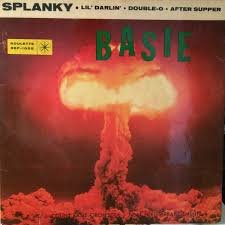
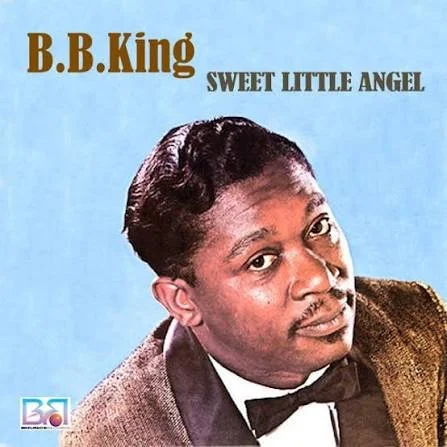
Long before modern production equipment gave musicians swing control, players were bending equal 8th notes to achieve a more human feel. Jazz and blues made that motion part of the language: sometimes light and relaxed, sometimes heavy and close to a triplet shuffle. Count Basie’s "Splanky” shows the lighter side of 8th-note swing, with a roomy big-band bounce. B.B. King’s “Sweet Little Angel” leans deeper into the blues shuffle, where the long-short feel becomes heavier and more vocal.
Control Swing amount in real time.
Set 8th Swing with a single control.
Hear the groove lean across the entire beat.
Changing Swing Feel
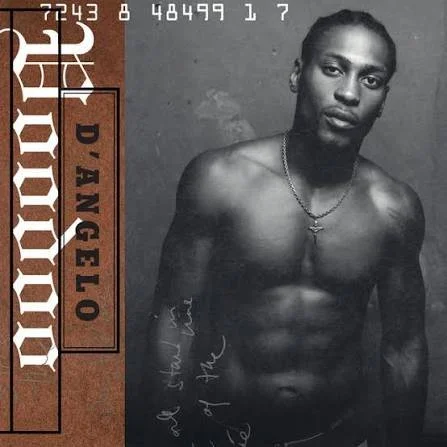
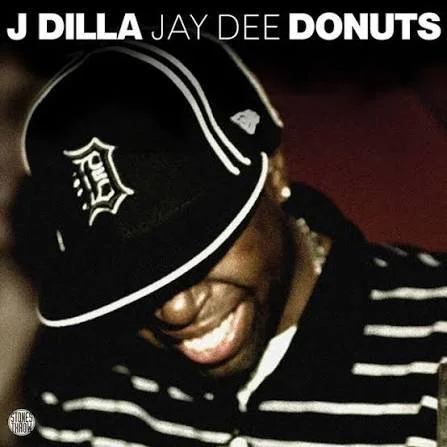
As drum machines, samplers, and modern production equipment such as the Tr-909 (Shuffle Feature), Emu SP-12/1200 (with the double timing workflow tricks), and the MPC 60/3000 (rock solid clock) became part of popular music thanks to the visionary engineers Tadao Kikumoto, Dave Rossum and Roger Linn, swing moved from the broad 8th-note shuffle onto the tighter 16th-note grid. Instead of making the whole Beat feel like a blues shuffle, 16th-note swing changes the smaller subdivisions inside the Groove. D’Angelo’s “Chicken Grease” and J Dilla’s “Workinonit” are useful references for how much emotion can come from small timing shifts. The beat still hits, but the inner movement feels loose, weighted, and alive.
Move between 8th and 16th Swing while the beat plays.
Hold Shift to access 16th Swing.
Shape the inner timing of the groove.
Adjusting Swing per Drum
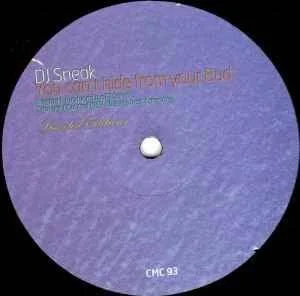
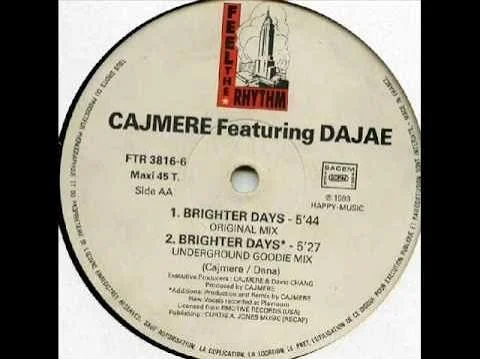
House music makes the drum-by-drum side of Swing especially clear. In the first wave of Chicago house and Detroit Techno, many producers relied on the TR-808, TR-909, and Tr-707 drum machines, which set the blueprint for modern dance music. The 909 and 707 included a shuffle feature that applied global swing across all of the drums. As newer samplers came out, most notably the MPC-60/3000, producers were able to finally apply swing quantization on a per-drum basis. The kick can stay direct while hats, claps, rims, and percussion create the lean around it. DJ Sneak’s “You Can’t Hide From Your Bud” and Cajmere feat. Dajae’s “Brighter Days Underground Goodie Mix” is a strong reference for that kind of Chicago house pocket. The beat stays grounded, but the smaller drum parts give it bounce, pressure, and lift. Swing per Drum lets that contrast happen inside one Pattern.
Select an individual drum to activate its Swing.
Choose which drums swing and which stay straight.
Blend straight and swung drums inside a single beat.
